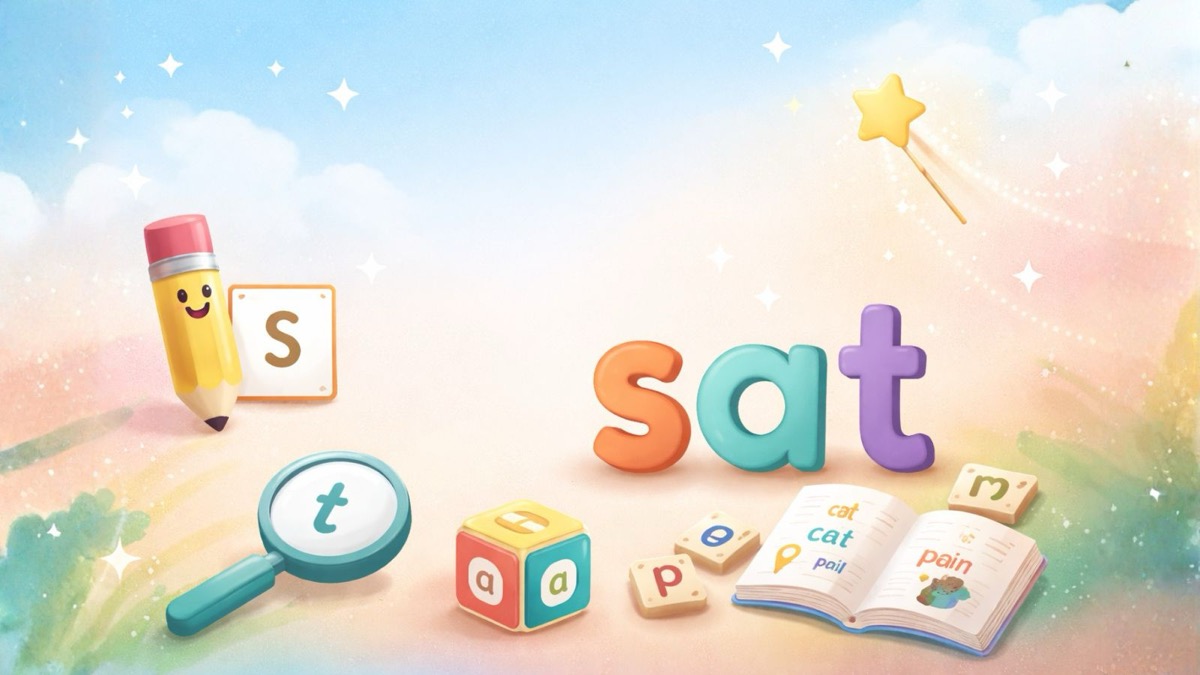
Parents often ask for the "best" phonics class, but the better question is: which class is the best fit for my child's current decoding stage? The right class should reduce guessing, improve blending, and show visible transfer to unfamiliar words.
Quick answer
The best phonics class is not the most advertised one. It is the one that can diagnose your child's stage, teach the right next step explicitly, and show measurable progress in 4-6 weeks.
Where parents usually lose time
- Choosing by brand, discounts, or app design before checking teaching quality.
- Enrolling without a clear stage diagnosis (sounds, blending, word decoding, or sentence transfer).
- Continuing a program for months without concrete evidence of decoding transfer.
Parent scorecard for comparing classes
- Stage fit: the teacher can explain exactly where your child is stuck today.
- Method clarity: sound-first teaching, explicit blending, decodable reading, and spelling transfer.
- Correction quality: immediate feedback with retry cycles, not only praise or worksheet completion.
- Progress visibility: weekly evidence on unfamiliar-word reading and error patterns.
- Parent usability: clear home practice instructions that take 8-12 minutes daily.
- Pacing fit: new content load is adjusted when confusion rises.
Pick by child profile, not one-size-fits-all
- If your child knows sounds but cannot blend: prioritize programs with explicit blending drills.
- If your child blends words but breaks in sentences: prioritize transfer and decodable sentence practice.
- If confidence is low: prioritize warm correction, high-success text levels, and smaller pacing steps.
Trial class script parents can use
- Ask: "What exact stage is my child in right now?"
- Ask: "What should my child read independently after 4 weeks?"
- Ask: "How do you correct errors live and check transfer to new words?"
- Ask: "What weekly evidence will parents receive?"
30-day validation plan
- Week 2: fewer random guesses and clearer sound recall.
- Week 4: more stable blending on unfamiliar short words.
- Week 6: better transfer into short sentence reading or spelling.
- If these signals are missing, adjust level/method early instead of waiting for months.
Red flags to exit quickly
- No stage diagnosis, vague updates, or no sample evidence of progress.
- Heavy reliance on guessing cues or memorized lists with weak transfer.
- High homework load with little guided correction.
Simple 10-minute daily support at home
Try this routine: 2 minutes sound review, 4 minutes blending/word reading, 2 minutes sentence reading, 2 minutes spelling transfer. Keep the same target set for 3-4 days before changing.
Related reading
- How to choose phonics classes: /blog/how-to-choose-phonics-classes
- Best online phonics classes for kids: /blog/best-online-phonics-classes-for-kids
- How phonics classes help kids read: /blog/how-phonics-classes-help-kids-read
- Child knows ABC but cannot read: /blog/child-knows-abc-but-cannot-read